Baby Chicks: A Designer’s Review for Business Merch
As an embroidery designer who has spent years digitizing and testing files for commercial use, I approach every new machine embroidery design with a critical eye. It is not just about whether a motif looks cute on a screen; it is about how it performs in the real world of small business merchandise. Recently, I reviewed the Baby Chicks design, and while the product description highlights its potential for home decor, I see significant opportunities for branded applications. This review focuses on how this asset functions for embroidery shops, apparel decorators, and handmade brands looking to elevate their product lines.
First Impressions: Balancing Whimsy with Professionalism
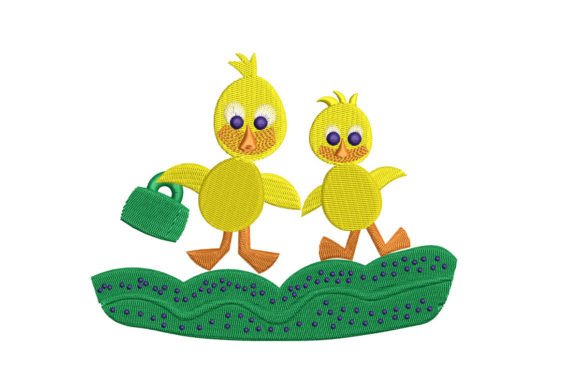
The initial visual impact of Baby Chicks is undeniably friendly and playful. The description notes "exquisite and intricate details," which suggests a level of sophistication that moves beyond simple clip-art aesthetics. For a small business owner, this balance is crucial. You want a design that feels handmade and approachable, yet polished enough to convey quality. The intricate stitching mentioned implies a texture that can add a luxurious touch to otherwise standard items. However, "intricate" is a double-edged sword in commercial embroidery. It demands precision. If you are aiming for a rustic or classic brand identity, this design fits well. For modern, minimalist brands, it might require careful placement to avoid looking too busy.
Strategic Applications for Small Business Merchandise
When evaluating a digital embroidery file for business use, versatility is key. Here is how Baby Chicks performs across various commercial applications:
- Embroidered Patches: This is perhaps the strongest use case. A patch allows you to control the backing and stabilizer perfectly. The detailed stitching of the chicks can pop against a solid twill background, creating a high-value item for Etsy sellers or boutique owners.
- Apron Embroidery: For bakeries, florists, or creative studios, staff uniforms are walking billboards. Placing Baby Chicks on the chest pocket or lower corner of an apron adds personality without overwhelming the professional look. It signals a friendly, customer-centric service environment.
- Tote Bag Design: Canvas totes are staples for retail packaging. The design’s intricate details can serve as a central focal point. Ensure the thread colors contrast well with the natural canvas to maintain visibility.
- Cap Embroidery: Using this on headwear requires caution. The curved surface of a cap front can distort intricate details. I recommend testing the design on a structured cap first to ensure the chick’s features remain distinct and do not bunch up.
- Back To School Collections: While primarily a decor item, the playful nature of chicks aligns well with spring-themed or youth-oriented Back To School merchandise. Think pencil cases, lunch bags, or backpack accents for younger demographics.
Navigating Technical Challenges in Production
Every designer knows that what looks good in a preview does not always stitch out perfectly. The mention of "intricate details" in the Baby Chicks description raises specific technical considerations for your production workflow.
Stitch Density and Fabric Texture
High detail often correlates with higher stitch density. On lightweight fabrics like thin cotton or linen, this can cause puckering. You must use the correct stabilizer—likely a cut-away for stretchy materials or a heavy tear-away for wovens. Always test on the actual fabric texture you plan to use. If you are embroidering on dark uniforms, ensure the thread colors have enough saturation to stand out, or consider using a underlay stitch that contrasts with the garment color to prevent show-through.
Size Constraints
Do not assume this design scales down infinitely. Intricate outlines can merge if the hoop size is too small. Before committing to a large run of small patches, stitch out a sample at the minimum intended size. Check if the eyes and beaks of the chicks remain defined. If they become a blob of thread, the design is too complex for that dimension. In such cases, consider simplifying the digitizing or increasing the final size.
Hoop Size and Placement
Confirm the required hoop size before purchasing. If the design is large, you may need a 5x7 or larger hoop, which limits the items you can embroider. For smaller items like baby clothes or narrow hat brims, a 4x4 hoop might be necessary, requiring you to verify if the design fits within those constraints without losing its essential character.
Enhancing Brand Identity and Customer Trust
In the world of commercial embroidery, consistency builds trust. Using a high-quality design like Baby Chicks contributes to a cohesive brand identity. When customers see precise, clean stitching on your custom apparel or accessories, they perceive higher value. This perception justifies premium pricing.
For handmade brands, the "luxurious touch" mentioned in the product description is a selling point. It differentiates your handmade product from mass-produced alternatives. Use this design to create limited-edition runs or exclusive customer gifts. A well-executed embroidered patch on a thank-you package can turn a one-time buyer into a loyal advocate. Furthermore, creating a printable mockup featuring Baby Chicks on various items helps visualize the end result for clients, increasing conversion rates for custom orders.
Practical Designer Notes for Implementation
Before integrating Baby Chicks into your design assets library, follow these steps to ensure professional results:
- Test in Monochrome: Stitch the design in black thread on white fabric first. This reveals any gaps, overlaps, or structural issues in the digitizing without the distraction of color.
- Check Commercial Licensing: The product description does not explicitly state license terms. Always confirm with the seller that the embroidery file includes commercial use rights before selling finished products.
- Verify File Formats: Ensure the download includes the format compatible with your machine (PES, DST, JEF, etc.). Missing formats can lead to costly conversion errors.
- Create Client Mockups: Use digital tools to place the design on photos of aprons, caps, and totes. This helps clients approve the look before you spend time stitching.
- Compare with Existing Assets: Place Baby Chicks next to your other logos or designs. Does it fit your visual style? If your brand is ultra-modern, this playful design might clash. If your brand is warm and inviting, it is a perfect match.
Final Verdict for Business Use
The Baby Chicks embroidery design offers a blend of charm and intricacy that can significantly enhance small business merch. It is not merely a decorative element but a strategic tool for branding when used correctly. By paying attention to stitch density, fabric choice, and placement, you can transform this digital file into a tangible asset that drives engagement and sales. Whether for a boutique’s spring collection, a café’s staff uniforms, or an Etsy shop’s unique patches, this design holds promise. Just remember: test thoroughly, stabilize properly, and always prioritize the clarity of the finished product. With careful execution, Baby Chicks can become a staple in your commercial embroidery portfolio.