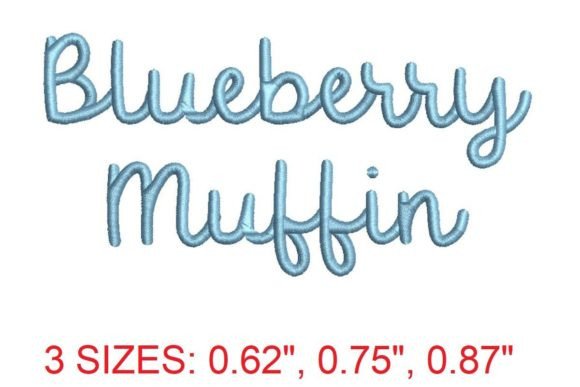
Blueberry Muffin Embroidery Font Review
As an embroidery designer who has spent years digitizing logos and selecting typefaces for small business merchandise, I approach every new machine embroidery design with a critical eye. It is not just about aesthetics; it is about functionality, durability, and brand representation. Recently, I had the opportunity to review the Blueberry Muffin Embroidery Font, a digital asset that promises to bring a touch of delectable sweetness to stitching projects. For boutique owners, café operators, and handmade brands, choosing the right typography is pivotal. This review explores how this font performs in real-world commercial applications, from staff uniforms to branded patches.
First Impressions: Visual Personality and Brand Fit
The name itself sets a specific expectation. Blueberry Muffin suggests something warm, inviting, and slightly rustic yet polished. Upon loading the digital embroidery file, the first thing I noticed was its inherent friendliness. It does not scream corporate stiffness; instead, it whispers approachability. This makes it an excellent candidate for businesses that rely on personal connection, such as local bakeries, florists, pet boutiques, or creative studios.
In the context of Back To School merchandise, this font could easily transition from a playful accent on a child’s backpack to a sophisticated label on a teacher’s tote bag. However, its versatility extends far beyond seasonal trends. The visual weight of the letters appears balanced, avoiding the pitfalls of overly thin lines that might disappear on textured fabrics or overly bold strokes that cause puckering. For a brand identity focused on warmth and craftsmanship, this font serves as a strong foundational element.
Real-World Applications for Small Business Merch
When evaluating a font for small business merch, I always ask: where will this live? The Blueberry Muffin Embroidery Font shines in several key areas of custom apparel and accessory design.
- Embroidered Patches: This is perhaps the strongest use case. A patch allows for controlled hoop size and stable fabric backing. Using this font for a circular or rectangular patch creates a cohesive brand mark that can be ironed or sewn onto various items, increasing the perceived value of the finished product.
- Café and Bakery Aprons: For hospitality businesses, staff presentation is crucial. Embroidering staff names or the business logo on aprons using this font adds a layer of professionalism. The rounded, soft edges of the letters complement the casual yet tidy look of a bakery uniform.
- Tote Bag Design: Canvas totes are a staple for retail shops. The font’s legibility at medium sizes makes it ideal for center-chest branding or bottom-corner accents on tote bags, turning everyday carriers into walking advertisements.
- Cap Embroidery: While caps present challenges due to curvature, this font works well for front-panel logos if the size is managed correctly. It offers a boutique feel that distinguishes a brand from generic corporate headwear.
Navigating Technical Challenges and Fabric Constraints
While the aesthetic appeal is high, practical application requires careful attention to technical details. As a designer, I must warn against using this font indiscriminately. Here are areas where caution is necessary:
Stitch Density and Fabric Texture: If the embroidery file has high stitch density, it may cause puckering on lightweight fabrics like thin cotton t-shirts or silk blends. Always test on a scrap piece of the actual material you intend to use. For textured fabrics like terrycloth towels or heavy canvas, ensure the font size is large enough so the details do not get lost in the fabric grain.
Small Patch Sizes and Tiny Lettering: Intricate fonts can become illegible when scaled down. If you are creating small lapel pins or tiny chest logos, verify that the inner spaces of letters (like 'e', 'a', and 'o') remain open. If they fill in with thread, the text becomes a blur. I recommend creating a printable mockup at actual size to check readability before sending the job to the machine.
Curved Surfaces: When applying this font to cap fronts or curved pockets, distortion can occur. Use appropriate stabilizers to maintain shape. A cut-away stabilizer is often safer for items that will undergo frequent washing, ensuring the brand identity remains crisp over time.
Enhancing Brand Identity and Customer Trust
Consistency is the cornerstone of professional branding. Using a distinctive font like Blueberry Muffin Embroidery Font across various touchpoints—uniforms, packaging, and social media graphics—creates visual consistency. When a customer receives a handmade product with a neatly embroidered tag using this font, it signals attention to detail. This perception of quality builds trust and encourages repeat business.
For Etsy sellers and crafters, the uniqueness of your design assets can be a selling point. Unlike generic system fonts, a specialized embroidery font adds a bespoke feel to your offerings. It elevates a simple item into a curated experience. Whether it is a personalized gift or a standard inventory item, the embroidery acts as a seal of authenticity.
Practical Designer Notes for Production
Before integrating this font into your commercial workflow, consider these actionable steps to ensure success:
- Test in Black and White First: Color can distract from structural issues. Stitch the font in black thread on white fabric to clearly see spacing, alignment, and any potential thread breaks.
- Check Thread Color Contrast: Ensure your chosen thread colors stand out against the fabric. Low contrast can make even the best font look muddy. For dark uniforms, consider using a lighter thread or adding a satin stitch border for definition.
- Confirm Hoop Size Compatibility: Verify that the design fits within your machine’s hoop capabilities without excessive re-hooping, which can lead to misalignment.
- Use Proper Stabilizer: Match the stabilizer to the fabric. Tear-away for stable woven fabrics, cut-away for knits and stretchy materials. This prevents distortion and ensures the stitch density sits correctly.
- Review Commercial Licensing: Before selling items made with this font, confirm the license terms. Ensure you have the right to use the digital embroidery file for commercial purposes, especially if you are producing high volumes for clients.
- Create Client Mockups: If you are designing for a client, provide a digital mockup showing the font on their specific product. This manages expectations and reduces the need for costly physical samples.
Final Verdict for Embroidery Professionals
The Blueberry Muffin Embroidery Font is a valuable addition to the toolkit of any embroidery professional focusing on lifestyle, food, and boutique brands. Its compatibility with the popular PES file format ensures ease of use across most modern machines. While it requires thoughtful application regarding size and fabric choice, its ability to convey warmth and professionalism is unmatched.
For those in the commercial embroidery sector, this font offers a way to differentiate custom apparel and accessories in a crowded market. By paying attention to technical details like stabilizer choice and stitch density, you can leverage this design to create high-quality, durable, and visually appealing products that resonate with customers. Remember, the goal is not just to stitch a logo, but to embed your brand’s personality into every thread. With careful execution, this font can help you achieve just that.