Newington Embroidery Font: A Designer’s Review
As an embroidery designer who spends countless hours digitizing and testing files for real-world application, I am always on the lookout for typefaces that bridge the gap between digital elegance and stitchable reality. Recently, I evaluated the Newington Embroidery Font available on Creative Fabrica. My goal was not just to look at the preview images, but to determine if this font holds up under the needle for commercial projects. Whether you are creating custom apparel for a boutique or designing personalized gifts for the Back To School season, choosing the right font is critical. Here is my honest assessment of how Newington performs in a professional studio environment.
First Impressions: Elegance Meets Precision
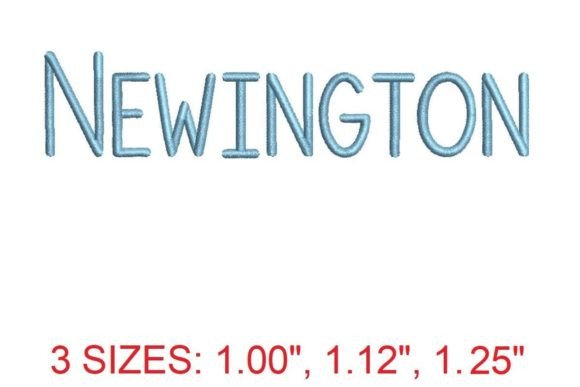
The moment I opened the file, the visual mood of the Newington Embroidery Font stood out. It features delicate curves and a sophisticated structure that immediately suggests high-end branding. Unlike some script fonts that rely heavily on complex connecting strokes which can cause thread breaks, Newington appears to balance aesthetic flow with structural integrity. The design assets provided offer a clean, refined look that feels both modern and timeless.
For embroidery designers, the "personality" of a stitch file matters. This font does not scream for attention with excessive bulk; instead, it whispers sophistication. This makes it an ideal candidate for projects where subtlety is key. When I imagined this stitched onto a high-quality linen tote bag or a soft baby blanket, the result felt cohesive and polished. It is not just a machine embroidery design; it is a tool for elevating the perceived value of your handmade product.
Real-World Application and Project Suitability
To truly understand the versatility of this font, I considered how it would perform across various substrates and product types. The Newington Embroidery Font is particularly well-suited for items that require a touch of class. Here is how I envision it working in a commercial embroidery workflow:
- Custom Apparel and Sweatshirts: The delicate nature of the font works beautifully on sweatshirt embroidery, especially when placed on the chest or sleeve cuff. It avoids the heavy, blocky look of standard athletic fonts, offering a boutique feel.
- Tote Bag Design: For canvas or cotton totes, this font provides excellent readability without overwhelming the fabric texture. It is perfect for monograms or short phrases.
- Nursery Decor and Baby Items: The softness of the curves makes it a gentle choice for baby blankets and bibs. It adds a personalized gift element that parents appreciate for its tenderness.
- Kitchen Towels and Aprons: In the home goods sector, this font can transform a simple kitchen towel into a premium item. The elegance fits well with farmhouse or modern minimalist decor trends.
When considering the Back To School category, this font offers a mature alternative to playful, cartoonish styles. It is ideal for teacher appreciation gifts, such as embroidered tote bags or personalized pencil cases, where a professional yet warm aesthetic is desired.
Technical Considerations for Stitching Success
While the visual appeal is strong, any experienced embroiderer knows that the devil is in the details. Working with a font that features delicate curves requires attention to technical settings. Here are the practical aspects I reviewed before recommending this for production:
Fabric and Stabilizer Selection
Because the Newington Embroidery Font relies on fine lines, the choice of stabilizer is paramount. On stretchy fabrics like jersey knits for custom apparel, a cut-away stabilizer is non-negotiable to prevent distortion. For woven fabrics like those used in tote bags or aprons, a tear-away may suffice, but I always recommend testing first. The stitch density must be balanced; if the density is too high on lightweight fabric, you risk puckering. If it is too low, the fabric may show through the satin stitch elements.
Hoop Size and Placement
One advantage of this font is its scalability, but you must respect the minimum size limits. Tiny lettering can lose definition, especially with complex curves. Before starting a large batch of commercial embroidery products, I advise checking the recommended hoop size in the product details. For curved surfaces like caps, ensure the font is scaled appropriately to avoid distortion during the stitching process. An embroidered patch using this font would also require careful hooping to maintain the integrity of the delicate curves.
Thread Colors and Contrast
The visual impact of this font depends heavily on thread colors. On dark fabric, a light-colored thread will make the delicate curves pop, but you must ensure the stitch coverage is sufficient to hide the background. Conversely, on light fabric, darker threads provide sharp contrast. I always create a printable mockup to visualize the contrast before stitching. This step saves time and thread, ensuring the final product meets client expectations.
Enhancing Product Value and Brand Consistency
For Etsy sellers and small business owners, the font you choose contributes directly to your brand identity. The Newington Embroidery Font exudes a sense of quality. When customers see this level of refinement in a finished product, it builds trust. It signals that the maker cares about details, from the selection of the digital embroidery file to the final press of the garment.
Using consistent typography across your product line—whether it is pillow covers, patches, or apparel—creates a cohesive brand image. This font is versatile enough to serve as a staple in your design library. It enhances the giftability of your items, making them more attractive for special occasions. Furthermore, high-quality stitching with elegant fonts photographs well, improving your online listings and driving customer engagement.
Final Verdict and Practical Advice
After reviewing the Newington Embroidery Font, I believe it is a valuable addition to any serious embroiderer’s collection. It strikes a rare balance between decorative appeal and stitchability. However, success with this font requires diligence. Always test on scrap fabric that matches your final project material. Check the stitch density and adjust your tension if necessary. Inspect small details after stitching to ensure no thread breaks or gaps occurred in the delicate curves.
Before using this for commercial purposes, confirm the license terms on the Creative Fabrica product page. Understanding whether the license covers unlimited sales or specific restrictions is crucial for legal compliance. Additionally, verify the included file formats to ensure compatibility with your embroidery machine. While the description highlights its elegance, your due diligence ensures profitability.
In conclusion, if you are looking to elevate your handmade products with a touch of sophistication, this font is worth considering. It performs well in real-world scenarios, from baby items to adult apparel, provided you respect the technical requirements of delicate stitching. For creative entrepreneurs aiming to stand out in a crowded market, the Newington Embroidery Font offers the refined aesthetic needed to command higher prices and build a loyal customer base.