Review: Rose of Baltimore Embroidery Font
As an embroidery designer who has spent countless hours digitizing and testing scripts, I approach every new machine embroidery design with a mix of curiosity and caution. When I first loaded the Rose of Baltimore Embroidery Font into my software, I was immediately struck by its delicate balance between vintage calligraphy and modern readability. For those of us running small shops or selling on platforms like Etsy, finding a font that conveys elegance without sacrificing stitch integrity is rare. This review explores how this specific script performs in real-world applications, from baby keepsakes to sophisticated home decor.
First Impressions: A Touch of Timeless Charm
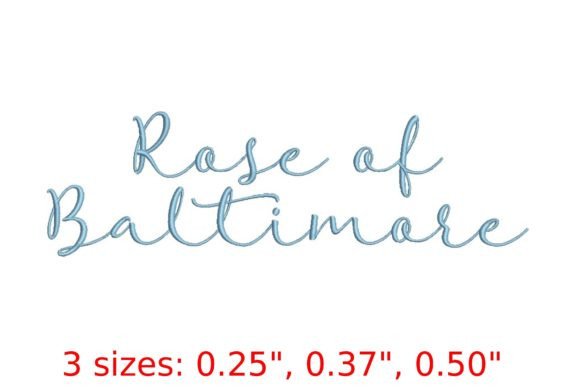
The Rose of Baltimore Embroidery Font exudes a mood that is distinctly romantic and refined. Inspired by vintage calligraphy, it brings a touch of old-world grace to contemporary projects. Unlike some overly ornate scripts that become illegible when stitched out, this font maintains clear letterforms while retaining its decorative flourishes. The emotional appeal here is strong; it feels handmade, personal, and deeply thoughtful. It is not playful or childish, nor is it starkly modern. Instead, it sits comfortably in the realm of classic elegance, making it a versatile choice for a wide range of personalized gifts.
For a Etsy seller or craft fair vendor, the visual impact of this font is a significant selling point. It photographs beautifully, adding a layer of perceived value to any handmade product. When I tested it on sample fabrics, the way the light caught the satin stitches highlighted the curvature of the letters, creating a luxurious texture that buyers often associate with high-end custom work.
Versatility Across Product Categories
One of the strongest attributes of the Rose of Baltimore Embroidery Font is its adaptability. While it might seem suited only for formal occasions, I found it works surprisingly well across various categories, including the unexpected Back To School season for more mature students or teachers.
- Baby Embroidery: This font is exceptional for nursery items. Imagine a soft muslin blanket with a baby’s name stitched in this delicate script. It transforms a simple blanket embroidery project into a cherished heirloom. However, care must be taken with stitch density to ensure the fabric remains soft against sensitive skin.
- Wedding Gifts: For bridal showers or wedding presents, this font is a natural fit. It looks stunning on pillow cover sets, ring bearer pillows, or personalized hankies. The romantic vibe aligns perfectly with the sentiment of a wedding gift.
- Kitchen and Home: An embroidered towel featuring this script adds a boutique hotel feel to a home kitchen. It also works well on aprons for the home chef who appreciates aesthetics as much as functionality.
- Tote Bags and Apparel: For a custom embroidery tote, this font provides a sophisticated alternative to block letters. It elevates a basic canvas bag into a stylish accessory suitable for daily use or special outings.
Navigating Technical Challenges
While the aesthetic appeal is undeniable, practical application requires attention to detail. As a designer, I must advise caution in specific scenarios to ensure the finished product meets professional standards.
Fabric Texture and Stability
The delicate nature of this script means it can get lost on highly textured fabrics. If you are stitching on a thick, waffle-weave towel or a rough linen, the fine details of the Rose of Baltimore Embroidery Font may sink into the weave. In these cases, using a cut-away stabilizer is non-negotiable. For stretchy fabrics, such as baby onesies or knit tote bags, a hoop-and-stick method with a strong stabilizer will prevent puckering and distortion of the lettering.
Size and Legibility
This is not a font for microscopic lettering. Because of its intricate connections and flourishes, scaling it down too small will result in thread bunching and loss of definition. Always check the recommended minimum hoop size provided with the digital embroidery file. If you are unsure, stitch a test patch on scrap fabric identical to your final material. This step is crucial for maintaining customer trust and avoiding costly reworks.
Color Contrast
Thread selection plays a pivotal role in how this font is perceived. On dark fabrics, lighter thread colors will make the script pop, but you must ensure the density is sufficient to cover the background fabric. Conversely, on white or cream materials, subtle pastels create a soft, ethereal look ideal for baby items. Always compare light and dark fabric mockups before committing to a large batch of orders.
Enhancing Giftability and Customer Trust
In the world of online sales, particularly for small shop product listings, the presentation is everything. The Rose of Baltimore Embroidery Font significantly boosts the "giftability" of an item. It signals to the buyer that this is not a mass-produced item, but a thoughtful, personalized gift crafted with care.
When creating printable mockup images for your store, this font allows for elegant composition. It pairs well with minimalist photography, letting the embroidery take center stage. This visual appeal drives buyer engagement and can justify a higher price point due to the perceived craftsmanship. For commercial embroidery businesses, offering this font as an option can differentiate your brand from competitors using standard, ubiquitous typefaces.
Practical Tips for Implementation
To get the best results with the Rose of Baltimore Embroidery Font, follow these practical steps before fulfilling customer orders:
- Test on Scrap Fabric: Never skip this step. Use the exact fabric and stabilizer combination you plan to use for the final product.
- Check Thread Color Contrast: Ensure the thread color stands out appropriately against the fabric background without clashing.
- Confirm Hoop Size: Verify that your machine’s hoop can accommodate the full length of the names or phrases you intend to stitch.
- Review Stitch Density: If the design feels too dense for your fabric, consider adjusting your tension or using a lighter weight thread.
- Use Proper Stabilizer: Match the stabilizer to the fabric weight. Cut-away for knits, tear-away for stable wovens.
- Inspect Small Details: After stitching, examine the entry and exit points of the thread. Trim any jumps carefully to maintain a clean look.
- Verify Licensing: Before selling finished products, confirm the commercial licensing terms included with your embroidery file. Most designers allow physical sales, but digital resale is typically prohibited.
In conclusion, the Rose of Baltimore Embroidery Font is a valuable addition to any designer’s library. It bridges the gap between vintage charm and modern application, offering a sophisticated solution for baby embroidery, wedding keepsakes, and upscale home decor. By respecting its technical requirements and leveraging its aesthetic strengths, you can create stunning, high-value items that resonate with customers seeking meaningful, handmade connections.