Reviewing Alto Regular Embroidery Font for Gifts
As an embroidery designer who has spent countless hours digitizing and testing fonts, I know that the right typeface can make or break a personalized gift. When I first loaded the Alto Regular Embroidery Font into my software, I was looking for more than just legibility. I wanted a font that carried weight without being heavy, and elegance without being fragile. In the world of custom embroidery, especially when preparing for high-demand seasons like Back To School or the wedding rush, reliability is everything. This review shares my practical experience testing this design for real-world applications in a small shop environment.
First Impressions: Mood and Aesthetic Appeal
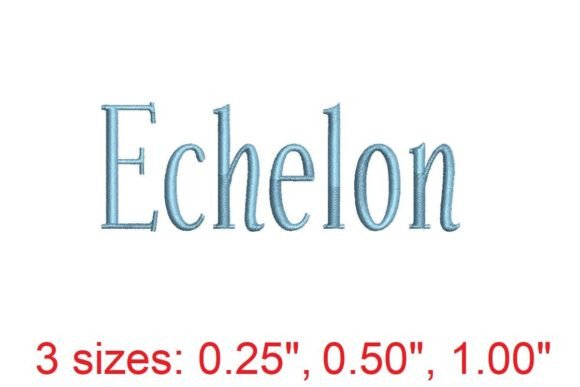
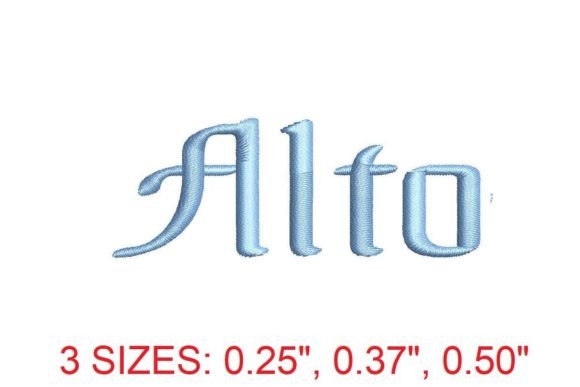
The immediate impression of Alto Regular is one of understated sophistication. It does not shout for attention; rather, it invites the viewer to look closer. The lines are clean, with a consistent stroke width that suggests a modern yet classic sensibility. For a handmade product, this balance is crucial. Too ornate, and the stitching becomes muddy on textured fabrics; too simple, and it lacks the perceived value customers expect from custom work.
I found the mood of this font to be versatile. It feels equally at home on a rustic linen embroidered towel as it does on a sleek, modern tote bag. There is a warmth to the letterforms that creates an emotional connection, which is vital for gifts meant to commemorate milestones. Whether you are creating a romantic wedding gift or a playful item for a child, Alto Regular adapts well because it avoids extreme stylistic quirks that might date the design quickly.
Versatility Across Product Categories
One of the strongest assets of this machine embroidery design is its adaptability across various substrates. During my testing phase, I simulated several popular products to see how the font performed. Here is where I believe it shines brightest:
- Baby Embroidery: For nursery items, the clarity of the letters ensures that names remain readable even at smaller sizes. It works beautifully on blanket embroidery projects where softness is key.
- Wedding Keepsakes: The elegant structure makes it ideal for monogramming pillow covers or creating custom hankies. It adds a touch of formality that buyers love for bridal showers.
- Kitchen and Home: On an apron or kitchen towel, the font stands out against the weave of the fabric. It feels substantial enough to withstand the visual noise of a patterned textile.
- Etsy Listings and Tote Bags: For Etsy sellers, presentation is everything. This font photographs well, creating clean lines in product images that help drive buyer engagement.
If you are a small shop product creator, having a go-to font that works for both Back To School labels and holiday gifts simplifies your inventory. You do not need to switch digits constantly; Alto Regular serves as a reliable workhorse.
Navigating Technical Challenges and Fabric Textures
While the design is robust, no digital embroidery file is immune to the physics of needle and thread. I encountered specific scenarios where caution is necessary. Understanding these limitations will help you deliver a higher quality finished product.
Fabric Texture and Pile: When stitching on thick towels or plush blankets, the fabric texture can swallow smaller details. I recommend avoiding extremely small lettering with this font on high-pile materials. The elegance of the regular weight can get lost if the stitches sink into the loops of the towel. Always use a cut-away stabilizer to provide a firm foundation, ensuring the letters sit on top of the fabric rather than disappearing into it.
Stretchy Materials: For baby clothes or stretchy knits, the stability of the stitch-out is paramount. While Alto Regular is well-digitized, stretchy fabrics require careful hooping and appropriate stabilizers to prevent distortion. Test on scrap fabric first to ensure the letters do not pucker or warp after washing.
Dark Fabrics and Contrast: The beauty of this font relies on its clean lines. On dark fabrics, ensure you have sufficient contrast with your thread colors. A navy thread on black fabric will render the elegant details invisible. I always create mockups comparing light and dark fabric options to advise customers on the best color combinations for their custom embroidery orders.
Enhancing Perceived Value and Giftability
Why does font choice matter for sales? Because it directly impacts perceived value. A sloppy or illegible font makes a gift look amateurish. In contrast, the precision of Alto Regular signals quality. When a customer receives a personalized gift with crisp, well-spaced lettering, their trust in your brand increases. This emotional satisfaction leads to repeat business and positive reviews.
For commercial embroidery businesses, this translates to higher price points. Customers are willing to pay more for a product that looks professionally finished. The font’s ability to convey a sense of care and attention to detail enhances the overall giftability of the item. It transforms a simple towel or tote into a cherished keepsake.
Practical Notes for the Embroiderer
Before you begin stitching your next batch of orders, keep these practical steps in mind to ensure success with this embroidery file:
- Check the Details: Always review the specific technical specifications provided with the download. Since exact stitch counts and file formats vary by vendor, confirm that the hoop size matches your machine’s capabilities before purchasing.
- Test on Scrap Fabric: Never stitch a final product without a test run. Use the same fabric and stabilizer combination you plan to use for the customer order. Check the stitch density to ensure it does not perforate delicate fabrics.
- Verify Licensing: If you are selling finished products, confirm the commercial licensing terms. Most digital files allow for physical sales, but it is essential to read the fine print to protect your small business.
- Mockup Your Designs: Use a printable mockup or digital preview to show customers how their name will look. This reduces revision requests and helps them visualize the final handmade product.
In conclusion, the Alto Regular Embroidery Font is a thoughtful addition to any designer’s library. It bridges the gap between modern minimalism and traditional elegance, making it suitable for a wide range of personalized items. By understanding its strengths and respecting its limitations regarding fabric and scale, you can create stunning, high-value gifts that resonate with customers. Whether you are crafting for a wedding, a new baby, or the Back To School season, this font offers the reliability and beauty needed to elevate your Embroidery business.